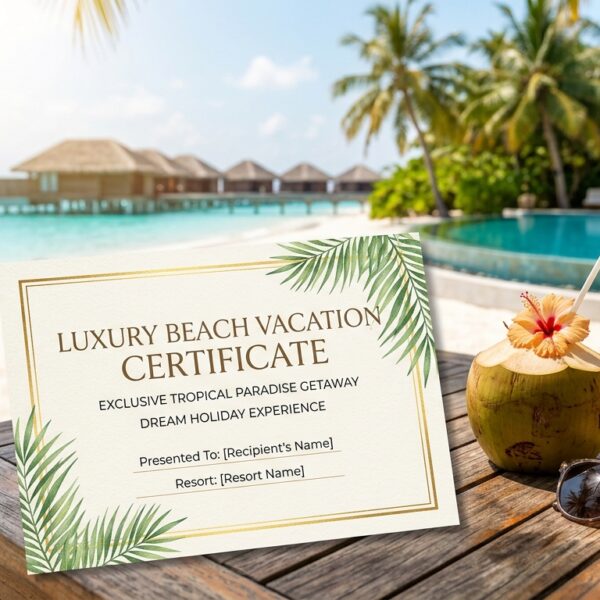
Travel Incentive Certificates: The Honest Guide for 2026
The first time someone handed me a travel certificate, I thought it was a scam. A free 7-night resort stay? Come on. There had to be a catch.
Turns out, I was half right. Some certificates are sketchy. But plenty are genuine deals that can save you 60-80% on vacations. The problem? Nobody explains them to regular people. Every Google result is a company trying to sell certificates to businesses — zero results talk to the person who actually receives one.
That’s why I wrote this guide. I’ll break down what travel incentive certificates are, how they work, what they really cost, how to spot a legit one, and how to get one free.
What Are Travel Incentive Certificates? (And How Are They Different from Vouchers?)
A travel incentive certificate is a promotional pass that gives you access to a discounted or free vacation — usually a hotel stay, cruise, or resort package. You activate it online or by phone using a unique code.
Travel marketing companies issue these. Employers hand them out as rewards. Timeshare resorts use them as promo tools. And consumer brands like CheapTravel VIP give them away to build loyalty.
Here’s a quick distinction that trips people up: certificates give you access to specific pre-negotiated resort inventory. Vouchers are typically a fixed dollar credit toward booking. Gift cards are straight cash value. Certificates deliver the biggest potential savings but come with set destinations and dates.
If you’re looking for VIP vacation deals, certificates are one of the most underrated tools out there.
How Do Travel Certificates Actually Work?
The process is simpler than most people think. Here’s what happens step by step:
- You receive the certificate — either as a digital link or a physical document.
- Activate it online — enter your certificate code on the redemption site.
- Browse available destinations — pick from the certificate’s resort inventory.
- Submit your travel request — usually with 2-3 preferred date options.
- Pay resort taxes and fees — these are separate from the certificate value.
- Get confirmation and travel — that’s it.
One thing surprised me when I redeemed my first certificate: I couldn’t just pick any hotel. But the resorts available were genuinely solid 3-4 star properties. Certificate inventory isn’t Expedia or Booking.com — you pick from pre-negotiated resorts. Fewer options, but dramatically lower costs.
Most certificates give you 30-60 days to activate and 7-12 months to travel. Don’t let yours sit in a drawer. Ready to claim your free travel certificate?
Are Travel Certificates Legit — or a Scam?
Most travel certificates are legitimate. Some are not. Here’s how I tell the difference.
Green Flags ?
- All fees disclosed upfront — no surprises after you commit
- No mandatory timeshare presentation required
- Clear cancellation policy in writing
- You can browse available inventory before paying anything
- The company has verifiable reviews online
Red Flags ?
- Pressure to decide immediately (“this offer expires tonight!”)
- Hidden timeshare presentation requirements not mentioned upfront
- Activation fees that seem unreasonably high
- No way to see available destinations before paying
I’ll be honest about the timeshare connection. Many certificates originate from timeshare marketing. You can verify a company’s track record through the Better Business Bureau before committing. That doesn’t make them scams — but you deserve to know if a 90-minute sales pitch is part of the deal. Some certificates have zero timeshare involvement.
I’ve used certificates that required a timeshare pitch and ones that didn’t. The ones without presentations are worth their weight in gold. That’s why CheapTravel VIP certificates never require a presentation. No sales pitch, no catch.
Types of Travel Certificates Compared
Certificates come in four main types. Each has different value, duration, and destination options. Here they are side by side.
| Certificate Type | Duration | Est. Retail Value | Best For | Key Limitation |
|---|---|---|---|---|
| All-Inclusive Resort | 4 days / 3 nights | $500–$800 | Short getaways, food included | Limited to select resorts |
| 7-Night Resort Stay | 7 nights | $1,000–$1,500 | Week-long vacations | Resort fees apply |
| 4-Night Cruise | 4 nights | $600–$900 | First-time cruisers | Port fees + airfare not included |
| Luxury Villas | 3–7 nights | $800–$1,400 | Families, groups | Cleaning fees may apply |
If I had to pick one, the all-inclusive certificate is the best deal. Food and drinks are included, so you’re not nickel-and-dimed at the resort. The 4-night cruise deals are great for first-timers who want to test the waters.
The Real Cost — What You’ll Actually Pay
“Free” certificates are not 100% free. Here’s what you actually pay:
- Resort/hotel taxes: $15–$25 per night
- Resort fees: $0–$30 per night (varies by property)
- Activation/processing fee: $0–$50 (should be zero for legit programs)
- Airfare: Not included in any certificate — budget separately
On my last 7-night certificate stay, I paid $189 total in resort taxes and fees. The same resort on Expedia was $1,340 for the week. That’s a real saving of over $1,150.
You’re paying 10-20% of retail value. Transparency is what separates legit programs from scams. If a company won’t tell you the fees upfront, walk away.
How to Get a Travel Certificate for Free
You don’t need to sit through a timeshare presentation. You don’t need a monthly subscription. CheapTravel VIP gives away four certificate types completely free:
- All-Inclusive Resort Certificate (4 days / 3 nights) — Claim yours free ?
- 7-Night Resort Stay Certificate — Claim yours free ?
- 4-Night Cruise Certificate — Claim yours free ?
- Luxury Villas Vacation Certificate — Claim yours free ?
No timeshare presentation. No monthly fees. Just claim, activate, and travel. Other programs charge $9.95/month (VacationVIP) or $65/year (Costco Travel). CTVIP certificates cost $0.
I’ll be straight with you: we give these away because we want you to experience the deals and come back for more. No catch, no presentation. You can browse all free travel certificates and pick yours.
Frequently Asked Questions
How do travel incentive certificates work?
You receive a certificate code, activate it online, choose from available destinations and dates, pay any resort taxes or fees, and travel. The process typically takes 10-15 minutes to activate.
Are travel certificates legit or a scam?
Most are legitimate, but some require timeshare presentations or charge hidden fees. Look for programs that disclose all costs upfront and don’t require mandatory sales presentations.
What are vacation certificate resort fees?
Resort fees are nightly charges (typically $15–$30) that cover amenities like pools, wifi, and gym access. They’re separate from the certificate itself and apply at most resorts worldwide.
Can I use a travel certificate for any destination?
No. Certificates give you access to a specific inventory of pre-negotiated resorts and dates. You choose from what’s available, not from every hotel in the world.
Are free vacation certificates really free?
The certificate itself is free — you don’t pay for the hotel stay. However, you still pay standard resort taxes and fees (usually $150–$250 for a 7-night stay). No legitimate certificate includes airfare.
The Bottom Line
Travel incentive certificates are a genuine way to save 60-80% on resort vacations — if you understand the real costs and choose a legit program. Remember three things: check for hidden fees, confirm no mandatory presentations, and only use programs with transparent inventory.
Ready to travel for less? Claim your free all-inclusive certificate now — no presentation, no monthly fee, no catch.
Want more ways to save? Check out our complete guide to VIP vacation deals for exclusive discounts you won’t find anywhere else.